
Color is one of the most powerful tools when discussing uniform design. The shades your team wears can influence customer perception, employee confidence, and overall brand identity. Workwear color choices often communicate trust, professionalism, safety, and energy before a single word is spoken. Understanding the psychology behind these choices can help organizations create uniforms that strengthen their presence in any industry.
This guide explores how different colors shape workplace impressions and how your brand can use these insights to create purposeful, effective uniforms.
Why Color Matters in Branded Workwear
Color is often the first brand cue customers notice. Uniforms act as moving brand touchpoints and help set expectations for service quality, cleanliness, and credibility. When used intentionally, color supports positive customer experiences and reinforces core brand values across every interaction.
How Color Supports Customer Perception
- Creates instant recognition and consistency across locations
- Sets the emotional tone for in-store or on-site interactions
- Builds trust and reliability in service environments
- Signals role clarity among team members
How Color Impacts Employee Experience
- Reinforces team identity and pride
- Improves visibility and safety in industrial environments
- Creates a sense of belonging that strengthens workplace culture
- Supports mood and performance in demanding roles
How the Most Common Workwear Colors Influence Brand Identity
Uniform programs across hospitality, healthcare, retail, transportation, and industrial sectors often rely on color psychology to send the right message. Below are the most common workwear colors and what they communicate to customers and employees.
Blue Workwear and the Perception of Trust and Reliability
Blue is one of the most widely used colors in professional uniforms. It is often associated with trust, dependability, and calm decision-making, which makes it a reliable choice across many industries.
 Industries That Benefit from Blue Uniforms
- Transportation and logistics teams
- Corporate and administrative environments
- Technical and maintenance staff
- Healthcare professionals
Why Blue Performs Well in Customer-Facing Settings
Blue helps reduce tension and supports a composed, confident appearance. It also pairs well with high-visibility safety accents for industrial settings, making it both functional and aesthetically aligned with operational needs.
Black Workwear and the Perception of Professionalism and Authority
Black is known for its refined, sleek presentation. Many brands choose black uniforms to signal expertise, consistency, and elevated service standards.
 Industries That Commonly Use Black Workwear
- Hospitality and food service
- Security and event teams
- Retail and luxury environments
Why Black Remains a Strong Branding Choice
Black hides stains effectively, photographs well in digital marketing, and provides a timeless look across seasons. When paired with accent colors, it becomes a strong platform for showcasing brand identity.
Red Workwear and the Influence of Energy and Visibility
 Red is attention-grabbing and energetic. Brands that want to convey enthusiasm, speed, or bold customer service often incorporate red into their uniform programs.
Where Red Creates Strong Impact
- Quick service restaurants
- Automotive and retail sales environments
- Promotional and guest experience teams
Why Red Strengthens Brand Perception
Red elevates visibility in crowded locations and reinforces a spirited, high-energy service model. When balanced with neutral tones, red creates dynamic uniforms that stand out without overwhelming the wearer.
Green Workwear and the Message of Wellness and Sustainability
Green is closely associated with health, renewal, and environmental responsibility. It creates a sense of calm and is often chosen by brands that want to highlight wellness or sustainable values.
I ndustries That Benefit from Green Uniform Programs
- Healthcare environments
- Outdoor recreation and landscaping teams
- Natural food retailers and sustainability-focused brands
How Green Builds Positive Brand Associations
Green signals care, balance, and eco-consciousness. It provides a refreshing contrast to industrial settings and strengthens consumer trust in brands that prioritize environmental commitments.
High Visibility Colors and the Priority of Safety in Industrial Workwear
Safety-focused industries rely on bright colors such as fluorescent yellow, pink and orange. These colors are essential for hazard prevention and improved visibility in complex work zones.
 When High Visibility Workwear Is Essential
- Construction
- Transportation
- Manufacturing
- Warehousing and logistics
Why High-Visibility Colors Influence Workplace Confidence
Employees feel more secure when visibility is prioritized. Bright colors paired with reflective materials help reduce workplace accidents and strengthen overall operational safety.
How to Choose the Right Uniform Colors for Your Brand
Selecting the right color palette begins with understanding your brand personality and the environment your employees work in.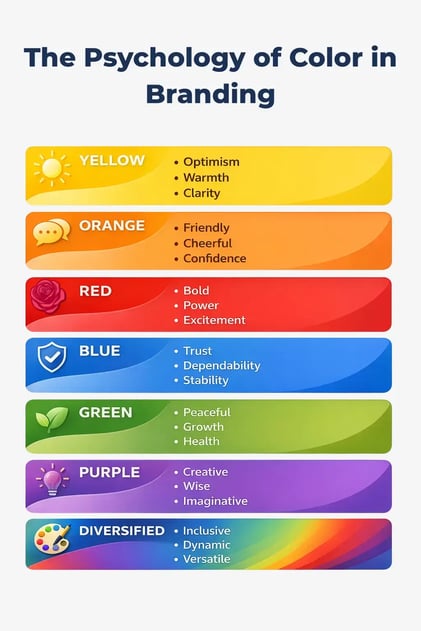
Key Factors to Consider
- Customer expectations in your industry
- Environmental demands such as weather, lighting, or soil exposure
- Brand positioning and marketing goals
- Safety requirements and compliance standards
- Role distinction across departments or job functions
Aligning Color Choices with Brand Messaging
Uniform colors should complement your existing branding and support your communications strategy. The right palette unifies your team, enhances customer trust, and reinforces your organization’s purpose.
Practical Tips for Implementing Color Psychology in Your Uniform Program
Below are several considerations that help create cohesive and intentional uniform collections.
Blend Aesthetic Appeal with Functionality
Colors should enhance the look and feel of each garment while supporting performance. Consider durability, stain resistance, and colorfastness across repeated laundering.
Use Accent Colors Strategically
Accent colors allow brands to introduce contrast, incorporate secondary brand tones, or differentiate roles such as leaders, trainees, or specialty staff.
Test Color Performance in Real Environments
Lighting, equipment, and daily tasks influence how colors appear. Testing ensures uniforms maintain a polished appearance throughout the workday.
FAQs
Elevate Your Brand with Purposeful Uniform Design
Color is more than an aesthetic choice. It is a strategic component of your brand story, and it influences how employees feel and how customers perceive your organization. When used intentionally, color strengthens recognition, supports safety, and enhances the full uniform experience.
If you are ready to build or optimize a uniform program that aligns with your brand identity, Affinity can help.
Explore our industry solutions and request a custom uniform consultation today!


