
Inspired by the Home Depot Apron?
Create a Uniform That Signals Expertise and Readiness.
Why the Home Depot Apron Communicates Hands-On Expertise
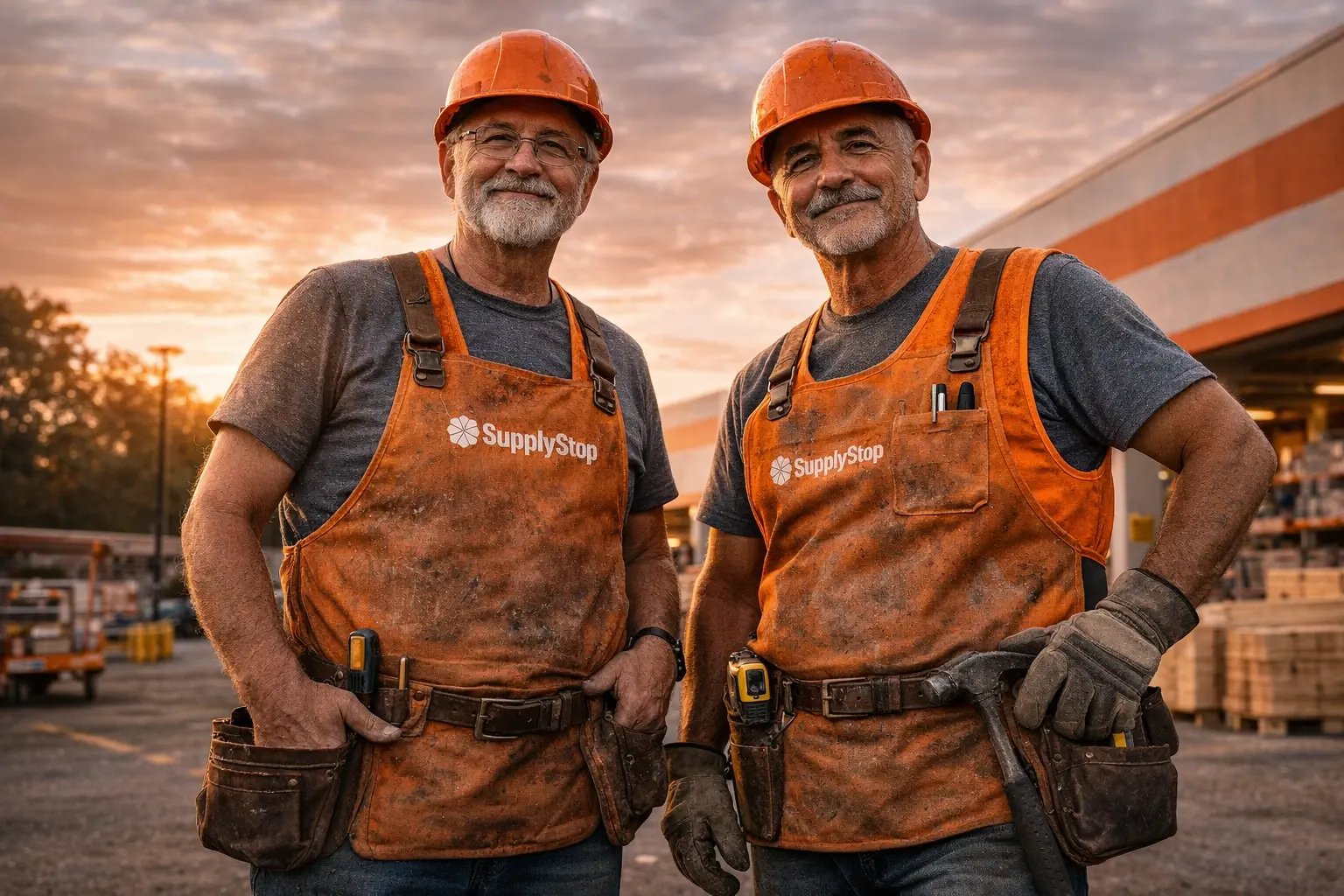
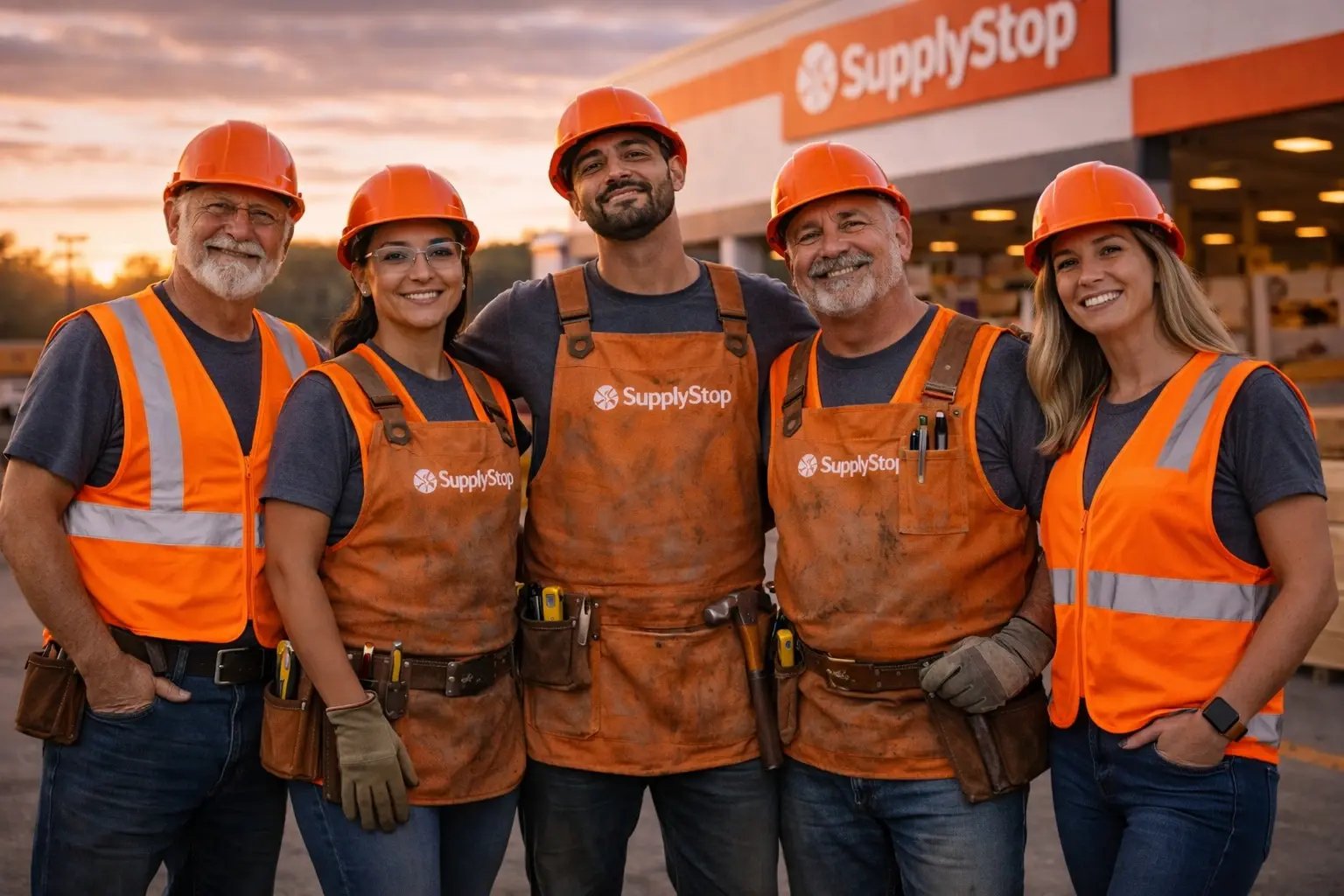
The Home Depot apron stands out because it feels purposeful. Aprons are traditionally associated with work, preparation, and practical skill. In a home improvement setting, those associations matter.
Customers often enter the store with questions or problems to solve. Seeing employees in aprons helps signal that assistance is available and that the person wearing it is ready to help.
The apron works because it:
- Signals hands-on knowledge rather than formality
- Makes staff immediately identifiable in large stores
- Reinforces approachability instead of intimidation
How Affinity Helps Brands Build Retail-Focused Uniforms
1. PLAN
We begin by outlining the foundation of your program — identifying key stakeholders, aligning communication cadences, and defining goals that set your team up for success.
2. DESIGN
Our design team translates your brand identity into garments that balance creativity and functionality, highlighting benefits and features that fit every role.
3. ANALYZE
We assess product performance, spend, and allowance structures to ensure your program is built on efficiency, accuracy, and value.
4. BUILD
From developing your website and standard operating procedures to creating detailed reports, we establish a framework that keeps your program running smoothly.
5. TEST
Every product undergoes rigorous testing — from wear trials to website validation — ensuring every detail performs as intended before launch.
6. DEPLOY
We handle your website launch, shipping, and reporting, ensuring a seamless transition into day-to-day operations.
The Role of Visibility and Function in Service Retail Uniforms
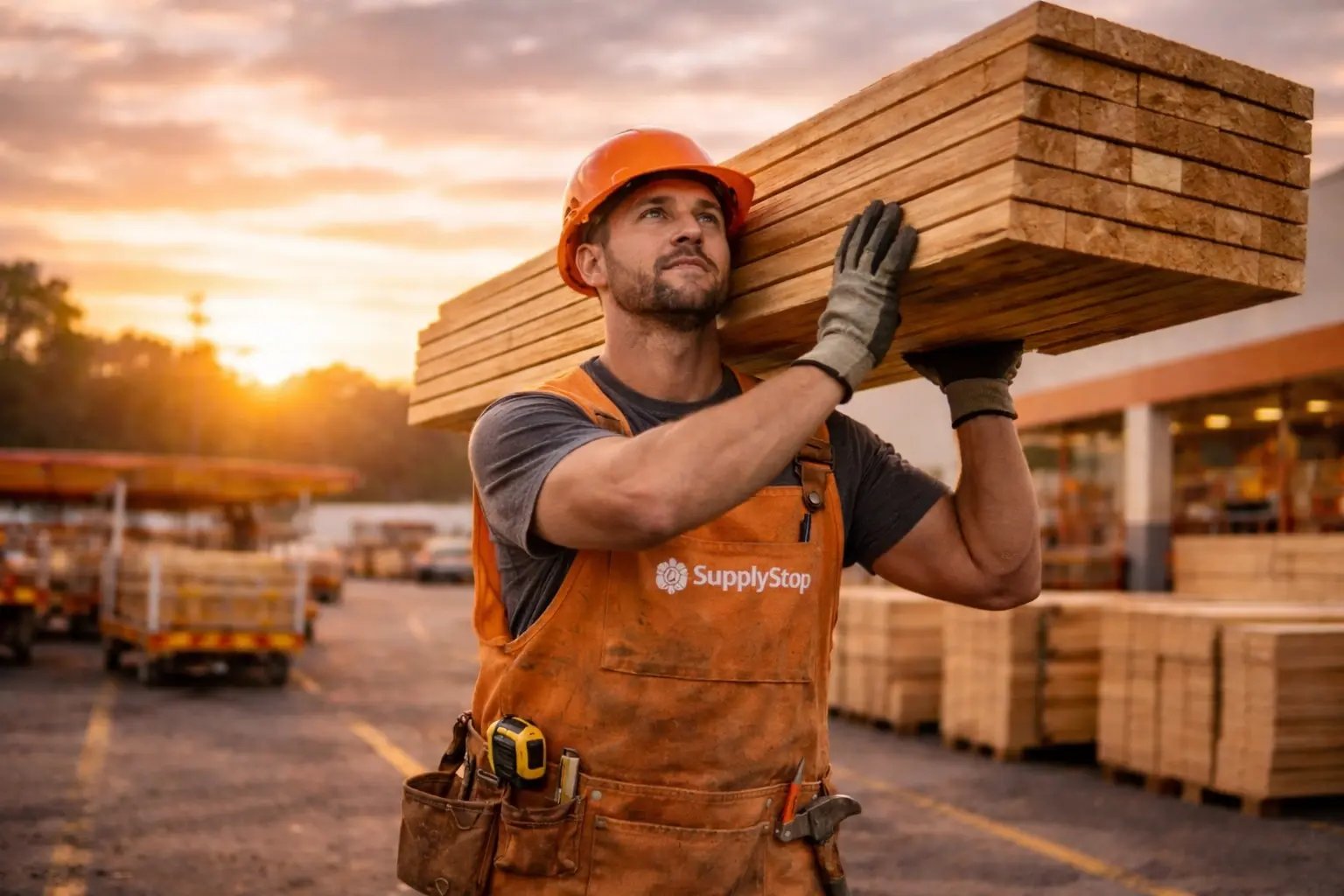
Visibility is essential in large retail environments. The Home Depot apron is easy to spot across busy aisles, helping customers quickly locate support when they need it.
Function also plays a key role. The apron suggests readiness and utility, reinforcing the idea that employees are equipped to assist with real tasks rather than just provide directions.
This balance helps create an environment where expertise feels accessible.
Uniforms as Signals of Knowledge and Preparedness
Uniforms do more than identify employees. They shape expectations.
Home Depot's uniform communicates:
- Readiness to assist
- Familiarity with tools and materials
- Confidence rooted in experience
When apparel aligns with role expectations, customers are more likely to engage and ask questions.
How Uniform Design Supports Employee Confidence
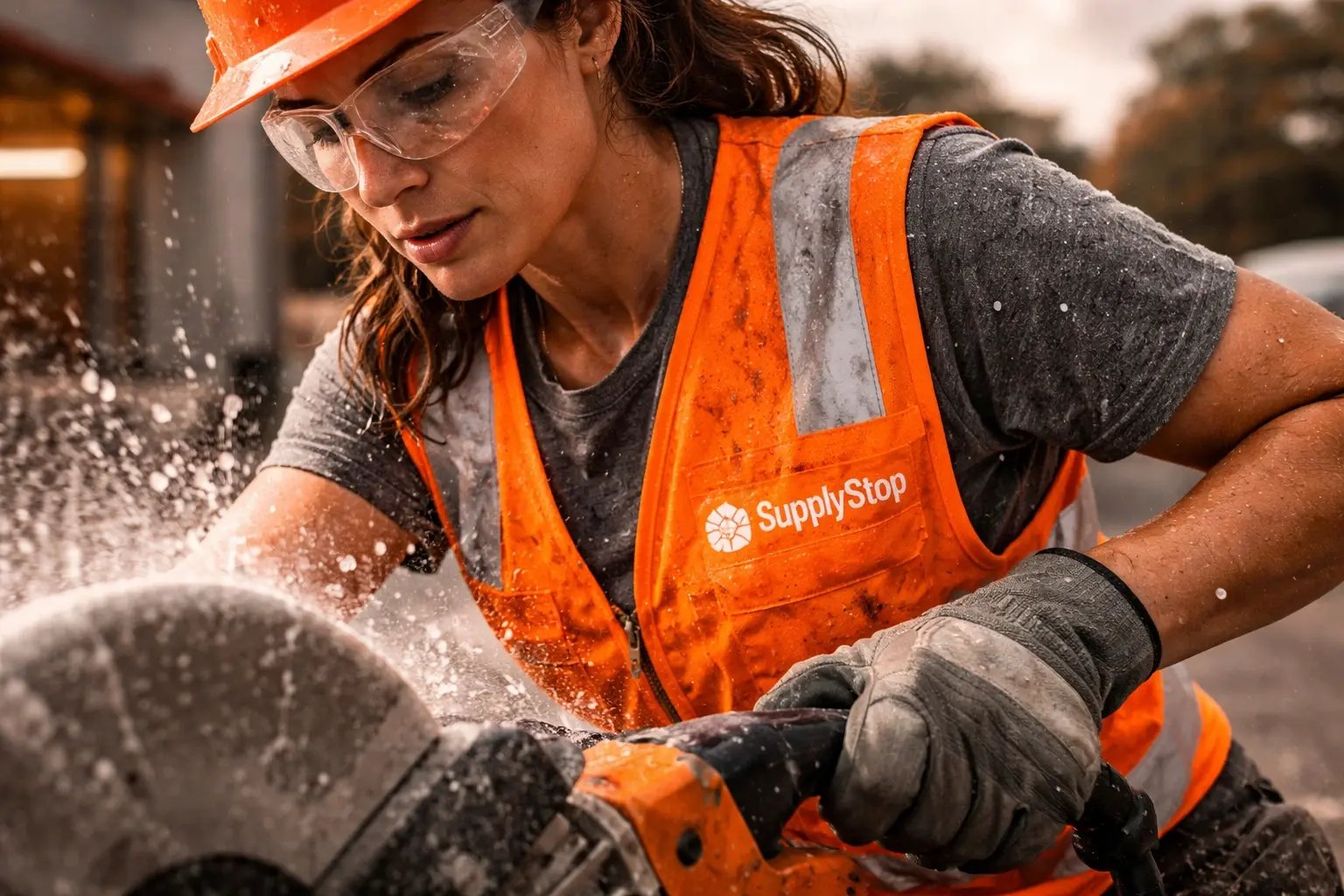
From the employee perspective, clear uniform elements help define responsibility. Wearing an apron associated with service and knowledge can reinforce confidence during customer interactions.
Functional apparel also supports performance by:
- Allowing ease of movement
- Supporting daily tasks
- Reducing distraction caused by impractical clothing
When uniforms work with employees rather than against them, teams are better positioned to deliver helpful service.
What Brands Can Learn from the Home Depot Apron
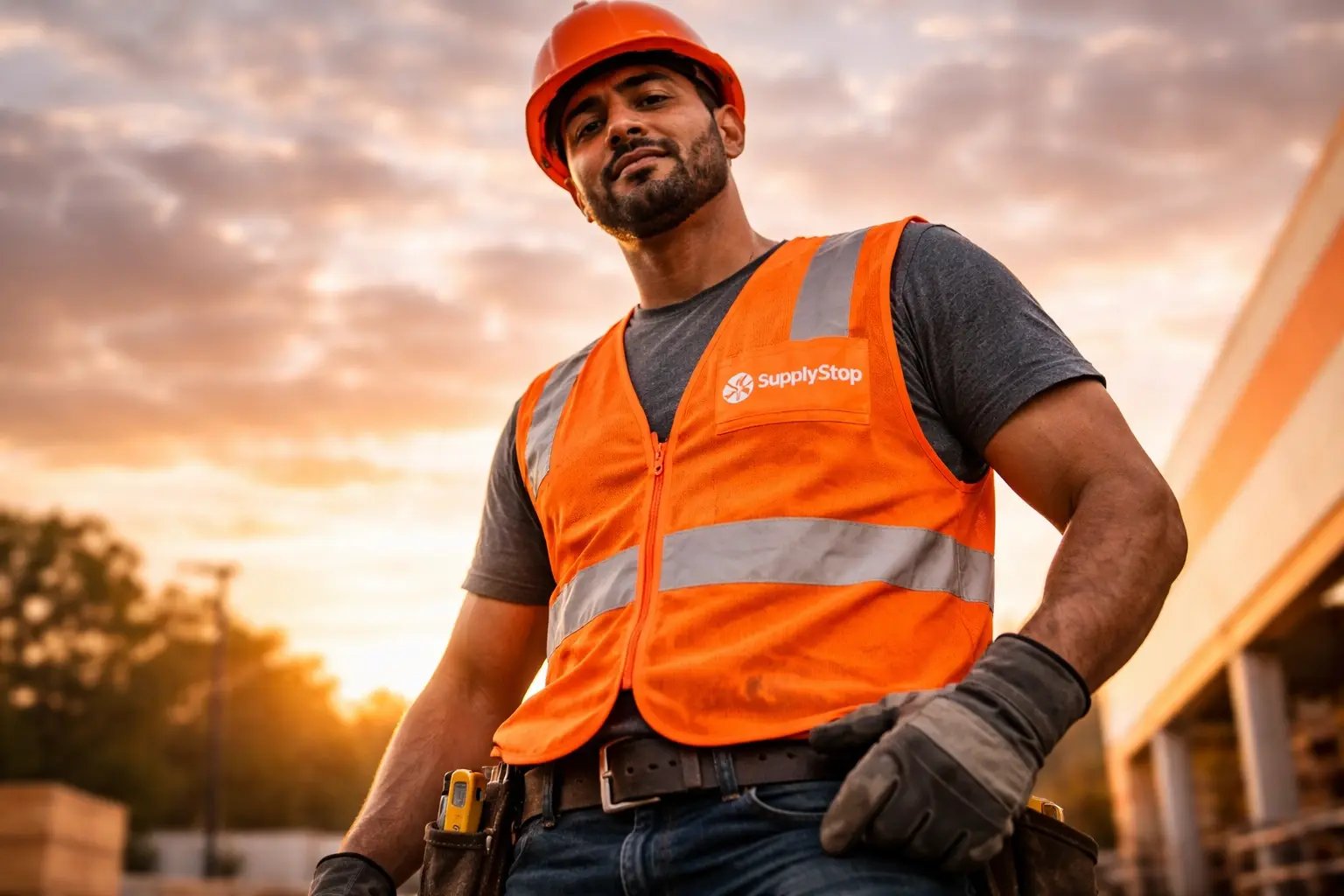
The Home Depot approach highlights several transferable uniform design principles:
- Symbolic garments can reinforce role and expertise
- High visibility reduces friction in large spaces
- Function-first design supports confidence and performance
- Uniforms build trust when appearance matches service expectations
These ideas apply well beyond home improvement retail.
Bring Your Brand Vision to Life
At Affinity, we help brands translate inspiration from iconic uniforms into original apparel programs that support their own identity and operations. Rather than copying existing designs, we focus on the elements that make those uniforms effective and adapt them thoughtfully.
The result is a cohesive uniform system that feels intentional, functional, and unmistakably aligned with your brand.
Frequently Asked Questions
Have Question? We are here to help
How do uniforms help customers identify knowledgeable staff?
Clear, consistent apparel makes it easier to locate assistance in large stores.
What fabrics work best for service-heavy retail roles?
Durable, flexible fabrics that support movement and tool use are ideal.
How does Affinity design uniforms inspired by retail brands without copying them?
We design original programs guided by functional and visual insights, not replicas.
Can service retailers manage uniforms across many locations?
Yes. Affinity offers scalable uniform programs and fulfillment support.
Why does the Home Depot apron signal expertise?
The apron suggests readiness, hands-on knowledge, and approachability.