
Inspired by Target?
Why Target’s Uniform System Works at Retail Scale
Target’s uniform stands out because it prioritizes immediate recognition. Employees are easy to identify from a distance, which reduces hesitation and friction for customers navigating large retail spaces. The uniform does not compete with signage or product displays. Instead, it quietly supports the overall shopping experience.
Consistency plays a major role here. When customers encounter the same visual cues across different locations, the environment feels predictable in a positive way. That predictability reinforces trust and helps the brand feel dependable, regardless of store size or layout.

How Affinity Helps Brands Build Retail-Focused Uniforms
1. PLAN
We begin by outlining the foundation of your program — identifying key stakeholders, aligning communication cadences, and defining goals that set your team up for success.
2. DESIGN
Our design team translates your brand identity into garments that balance creativity and functionality, highlighting benefits and features that fit every role.
3. ANALYZE
We assess product performance, spend, and allowance structures to ensure your program is built on efficiency, accuracy, and value.
4. BUILD
From developing your website and standard operating procedures to creating detailed reports, we establish a framework that keeps your program running smoothly.
5. TEST
Every product undergoes rigorous testing — from wear trials to website validation — ensuring every detail performs as intended before launch.
6. DEPLOY
We handle your website launch, shipping, and reporting, ensuring a seamless transition into day-to-day operations.
The Role of Color in the Target Uniform
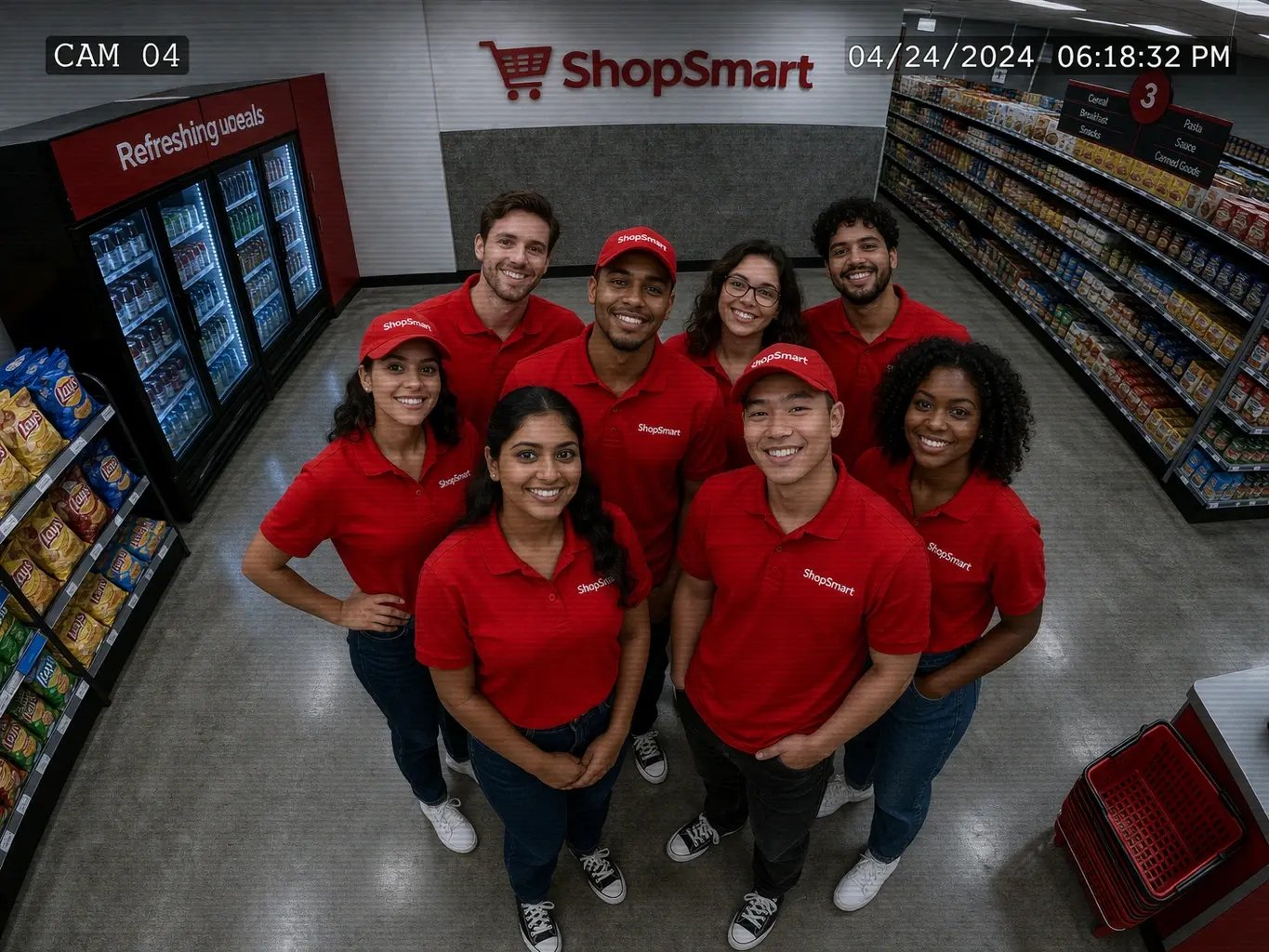
Color is a powerful tool in uniform design, and Target’s use of red is intentional. Red draws attention quickly, which is especially useful in busy retail environments. It signals availability and energy without requiring verbal cues or additional wayfinding tools.
By pairing a bold color with neutral tones, the uniform remains balanced and approachable. The result is high visibility without visual overload. This balance allows the uniform to feel helpful rather than distracting, supporting both brand recognition and customer comfort.


Uniforms as Wayfinding Tools in Large Retail Spaces
In large stores, uniforms serve a practical purpose beyond branding. They act as wayfinding tools that help customers quickly locate assistance. Instead of scanning for name badges or guessing who works there, shoppers can rely on clear visual signals.
This reduces friction during the shopping journey and helps interactions feel more efficient. When customers can easily find support, the store experience feels more organized and less overwhelming.
How Uniform Design Supports Employee Confidence
Uniforms also shape the employee experience. Clear, consistent apparel standards remove uncertainty around appearance and presentation. Team members know they are easily identifiable and visually aligned with the brand, which can support confidence during customer interactions.
By limiting unnecessary variation, uniform systems reduce decision fatigue and reinforce a shared identity. This consistency helps teams feel connected and prepared, especially in fast-paced retail environments.

What Brands Can Learn from Target’s Uniform Strategy
While every organization has its own identity, Target’s approach highlights several transferable principles:
Uniforms should prioritize recognition over complexity
Color choices should support visibility without overwhelming the environment
Consistency builds trust, especially at scale
Uniforms function as operational tools, not just branded apparel
These ideas apply well beyond retail and can inform uniform programs in hospitality, service, and multi-location organizations.
Bring Your Brand Vision to Life
At Affinity, we help organizations translate inspiration into original uniform programs that reflect their own brand values and operational needs. Rather than copying existing uniforms, we focus on the principles that make iconic apparel systems effective and apply them in a way that is unique to each client.
The goal is not imitation, but cohesion. A well-designed uniform should feel familiar, functional, and unmistakably yours.
Frequently Asked Questions
Have Question? We are here to help
What makes the Target uniform instantly recognizable?
Target’s uniform relies on a bold color cue paired with simple, consistent styling that makes employees easy to identify in large retail spaces.
Why is color consistency important in retail uniforms?
Consistent color use reinforces brand recognition, improves wayfinding, and creates a more organized customer experience.
How do uniforms support employee confidence in retail settings?
Clear, standardized uniforms reduce decision fatigue and help employees feel prepared and aligned with the brand.
How does Affinity design uniforms inspired by retail brands without copying them?
We study the visual and functional elements that make major retail uniforms effective, then design original programs tailored to each client’s brand.
Can retail brands manage uniforms across multiple locations?
Yes. Affinity supports centralized ordering, consistent standards, and scalable fulfillment for multi-location teams.